

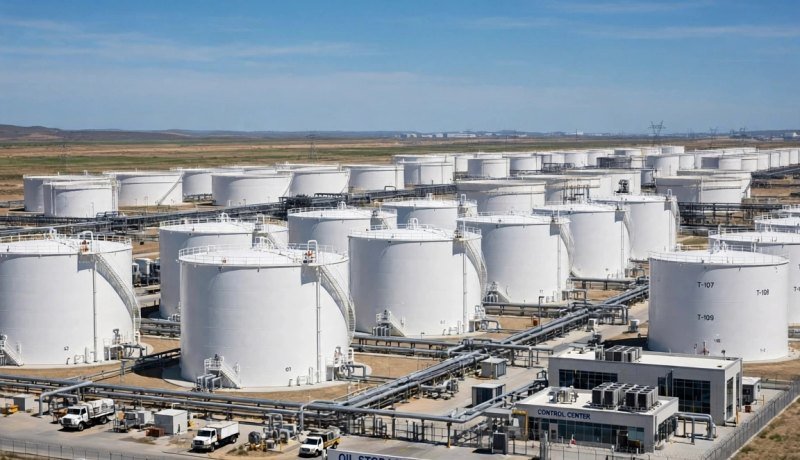

What the G7 oil release really means for your wallet
The recent G7 oil release of 100 million barrels is a short term fix, not a permanent solution for high fuel costs. It will calm markets for a few weeks, but it won’t crash prices at the pump.
Table Of Content
Global oil demand sits right around 100 million barrels per day. This means the new supply only covers about one day of global consumption. That’s a very small drop in a very large bucket.
Is 100 million barrels actually a lot of oil?
When you hear a massive number like that, it sounds huge. But context changes everything. The world uses about 100 million barrels of oil every single day.
So this coordinated move from G7 oil reserves only replaces one day of global use. It’s not a massive flood of new supply. It’s a slow drip meant to ease immediate panic.
Markets react to fear just as much as actual shortages. Releasing oil from the strategic petroleum reserve tells traders that governments are watching. It stops panic buying.
But once the initial shock wears off, prices usually go right back to where supply and demand dictate. Investors know this. They might buy the rumor and sell the news. The physical barrels take weeks to actually reach the market.
The International Energy Agency coordinates these moves. They ask member countries to open their taps. But the actual delivery takes time. The oil has to be loaded onto ships, transported across oceans, and unloaded at terminals.
Energy stocks often drop on this news. Investors worry that government selling will suppress their profits. But history shows that stock prices usually recover once the market realizes the release is just a drop in the bucket.
For business owners, this means you shouldn’t change your long term hedging strategy just yet. The relief is temporary. You are just getting a brief pause to adjust your budgets.
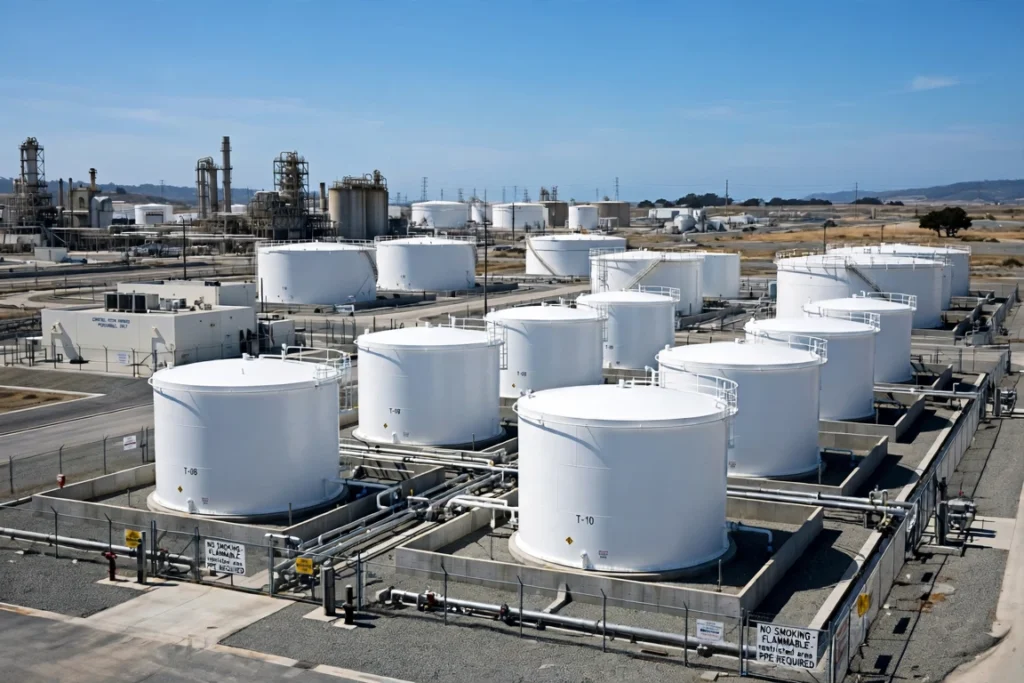
Why did the Trump diesel threat disappear?
The political backdrop is just as interesting as the math. Just days ago, there was talk of a severe Trump diesel threat that could have restricted fuel flows or added heavy tariffs.
Then it vanished. Why? The exact reasons remain a bit murky, but the timing is no accident. Dropping that threat removes a major risk premium from the market.
We have to ask who benefits from this framing. The administration gets to look like it is solving the energy crisis without actually passing new legislation. They get the credit for lower prices while avoiding the political fallout of restricted trade.
Diesel is the lifeblood of the economy. It moves our freight and powers our farms. Threatening diesel supply spooks everyone.
By walking back the threat, the administration avoids a sudden spike in transport costs. It also gives the G7 oil release a better chance to work. If both a supply shock and a political threat happened at once, fuel prices would skyrocket. Removing the political threat makes the physical oil release look more effective.
Read: AI Bubble 2026
Will the G7 oil release lower diesel prices?
You might see a small dip at the pump this week. But don’t expect a massive discount. The release targets crude oil, which eventually becomes gasoline and diesel.
Refining capacity is the real bottleneck right now. Even if we have more crude oil, we need functioning refineries to turn it into usable fuel. If refineries are down for maintenance or running at full capacity, extra crude doesn’t help much.
This is a common misunderstanding. People see crude oil prices drop and assume gas will follow immediately. But the crack spread, which is the profit margin for refineries, dictates the final pump price. If refining margins stay high, your savings at the register will be minimal.
For trucking companies and logistics firms, this news brings mixed results. They might save a few cents per gallon this week. But the uncertainty around future supply makes long term planning very difficult. They need predictable costs to set their own freight rates.
Diesel prices are also driven by global demand. Asia and Europe are buying heavily. So while oil prices today might look a bit softer because of this news, diesel will likely stay expensive.
What happens to the strategic petroleum reserve next?
This brings up a bigger question about our energy security. We are pulling from the strategic petroleum reserve to solve a temporary problem.
Every barrel we sell today is a barrel we have to buy back tomorrow. And we will have to buy it back at whatever the future market price happens to be. If prices stay high, we lose money.
Governments are essentially borrowing against their future energy security to keep voters and businesses happy right now. It’s a political calculation as much as an economic one.
The reserve was designed for genuine emergencies, like a massive physical disruption in the Middle East. Using it to smooth out normal market volatility sets a dangerous precedent. It leaves us with less of a buffer for the next real crisis.
We saw this exact same playbook a few years ago. Governments released record volumes to fight inflation. Prices dipped briefly and then climbed right back up. The fundamental supply and demand balance hadn’t changed.
History is a good teacher here. You can’t print oil, and you can’t borrow it forever. The physical reality of the market always wins in the end.
The G7 oil release is a classic case of buying time. It stops the bleeding today but ignores the underlying wound. You should expect some brief stability in fuel costs, but don’t plan your budget around cheap gas.
Keep an eye on refining margins and global demand. Those are the real drivers of your wallet. What do you think will happen to fuel costs when this temporary supply runs out?
FAQ Section
How long does it take for released oil to reach the market? It typically takes several weeks for the oil to be loaded onto ships and reach overseas terminals. The physical delay means the impact on local gas stations is never immediate. You will not see the effects at the pump the next day.
Will this release empty the strategic petroleum reserve? It reduces the total volume, but it does not empty the reserve completely. Governments still hold hundreds of millions of barrels in storage. However, it does lower the buffer available for a genuine future emergency.
Why did the diesel threat disappear so suddenly? The exact political reasons remain unclear, but removing the threat helps calm market fears. It prevents a secondary shock to transport costs while the physical oil release takes effect. This gives the overall strategy a better chance of stabilizing prices.
For more news keep an eye on https://www.eia.gov/Alaska Summit Fallout: Europe’s Fierce Response and Ukraine’s Security Stakes



No Comment! Be the first one.